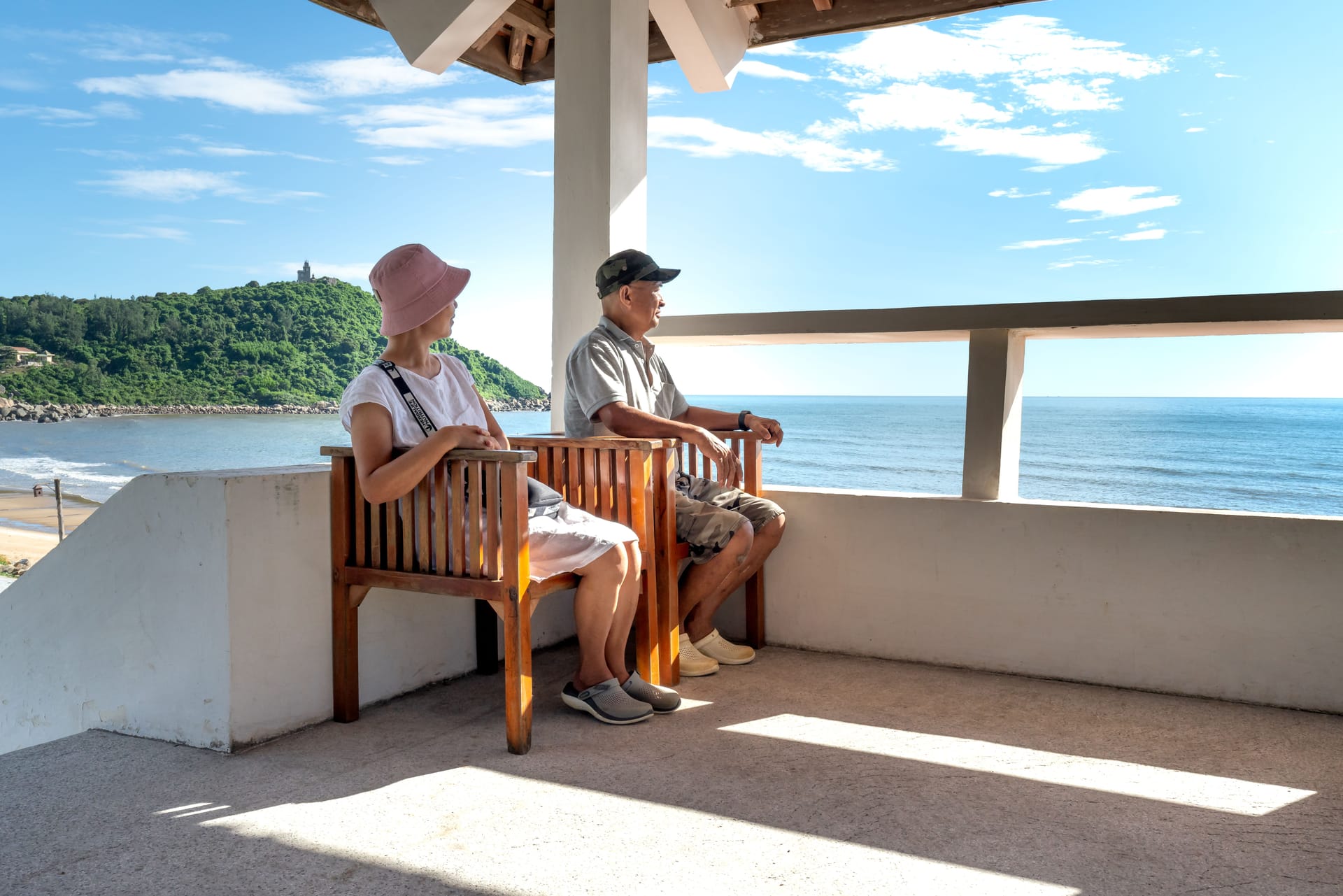
The nearest hospital that can handle a real emergency sits a thirty-minute flight away, across the water in Kupang. Hold that fact in your head, because it shapes everything else about retiring on Rote. The mornings are quiet, the rent is low, the sea is warm, and the pace is slow enough to add years to your life. None of that changes the flight to Kupang when something goes wrong.
This is the map, not the brochure. I live here, I pay rent here, and I have walked clients through the same questions you are asking now. Rote sits in East Nusa Tenggara, at the far southern edge of Indonesia, closer to the Australian coast than to Bali 1. It rewards a specific kind of person and quietly punishes another. Below I lay out the money, the paperwork, the health logistics, and the honest filter for who belongs here. Where a topic needs its own deep dive, I point you to it inline and keep moving, because the value of a map is that it orients you fast.
Is Rote actually a place to retire?
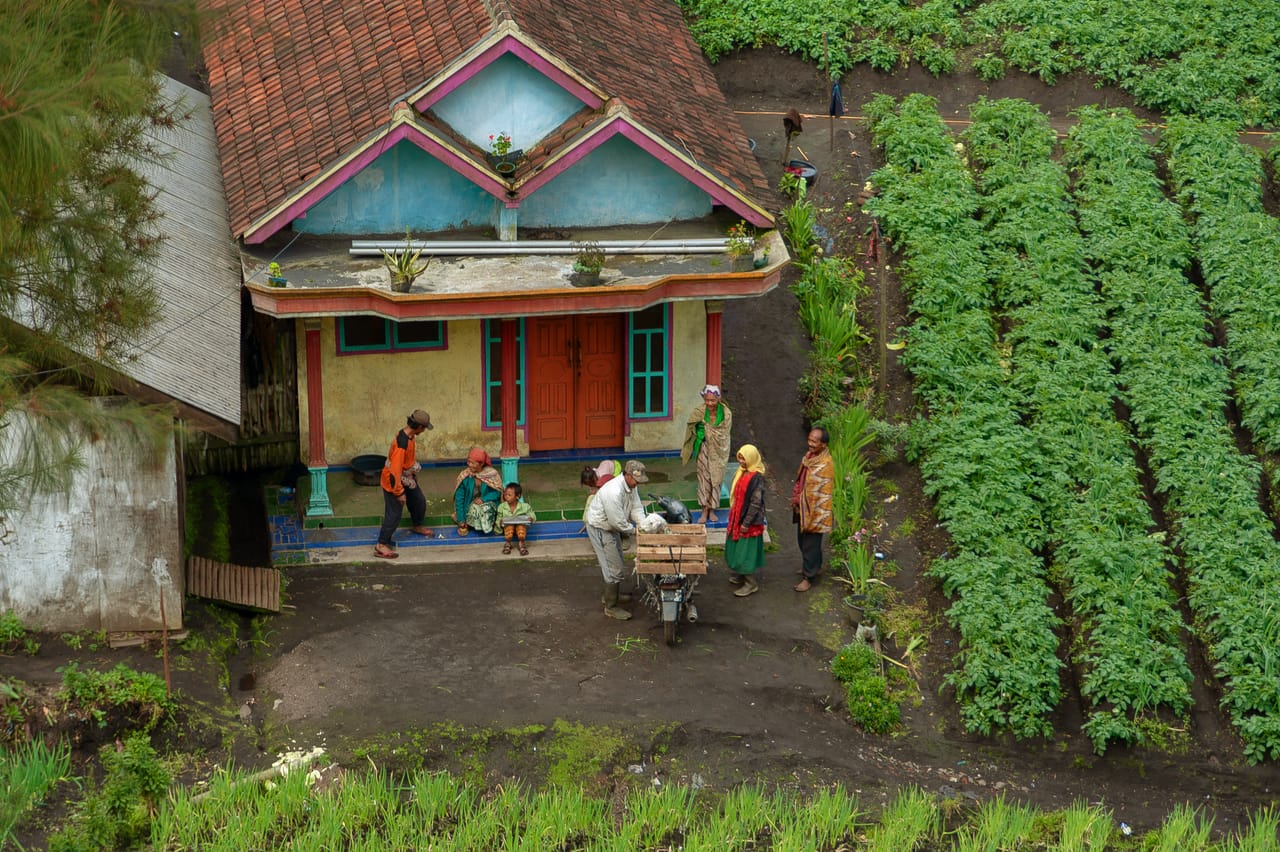
Rote suits retirees who want space, silence, and a low cost of living, and who can handle being a flight away from serious medical care. It does not suit anyone who needs frequent hospital treatment, or who cannot tolerate a rainy season that isolates the island for weeks. That sentence is the whole filter. Read it twice before you read anything else.
The island is small and rural. Around 1,227 square kilometres of rolling hills, terraced plantations, savanna, and reef, rising to about 320 metres at its highest point 2. Roughly 80% of Rotenese are Christian, and church is a real anchor of daily community life, which matters more than you would think when you are 6,000 kilometres from your old friends 1. Growing old in Indonesia as a foreigner works best when you can build a rhythm around neighbours, markets, and faith or routine, rather than around clinics and appointments.
Here is the two-column version, plainly:
| Good fit | Poor fit |
|---|---|
| You want slowness, warmth, and cheap daily life | You need dialysis, cardiac monitoring, or regular specialist care |
| You are healthy and mobile, and comfortable with basic care nearby | You panic when the pharmacy is out of your prescription |
| You can wait out a rainy season without feeling trapped | You need a hospital and a mall within ten minutes |
| You like a small community and don’t need constant options | You want nightlife, restaurants, and expat crowds |
One demographic detail is worth sitting with. In 2019, people aged 60 and over made up merely 10% of Indonesia’s population, against 172.7 million of productive age 3. This is a young country, built around family caregiving rather than aged-care institutions. There are almost no retirement homes, few geriatric specialists, and little of the professional elderly-care infrastructure you may take for granted at home. That absence is fine at 62 and fit. It is a serious problem at 82 and frail. Plan for the version of yourself that needs help, not just the one booking the flight.
What retiring here really costs
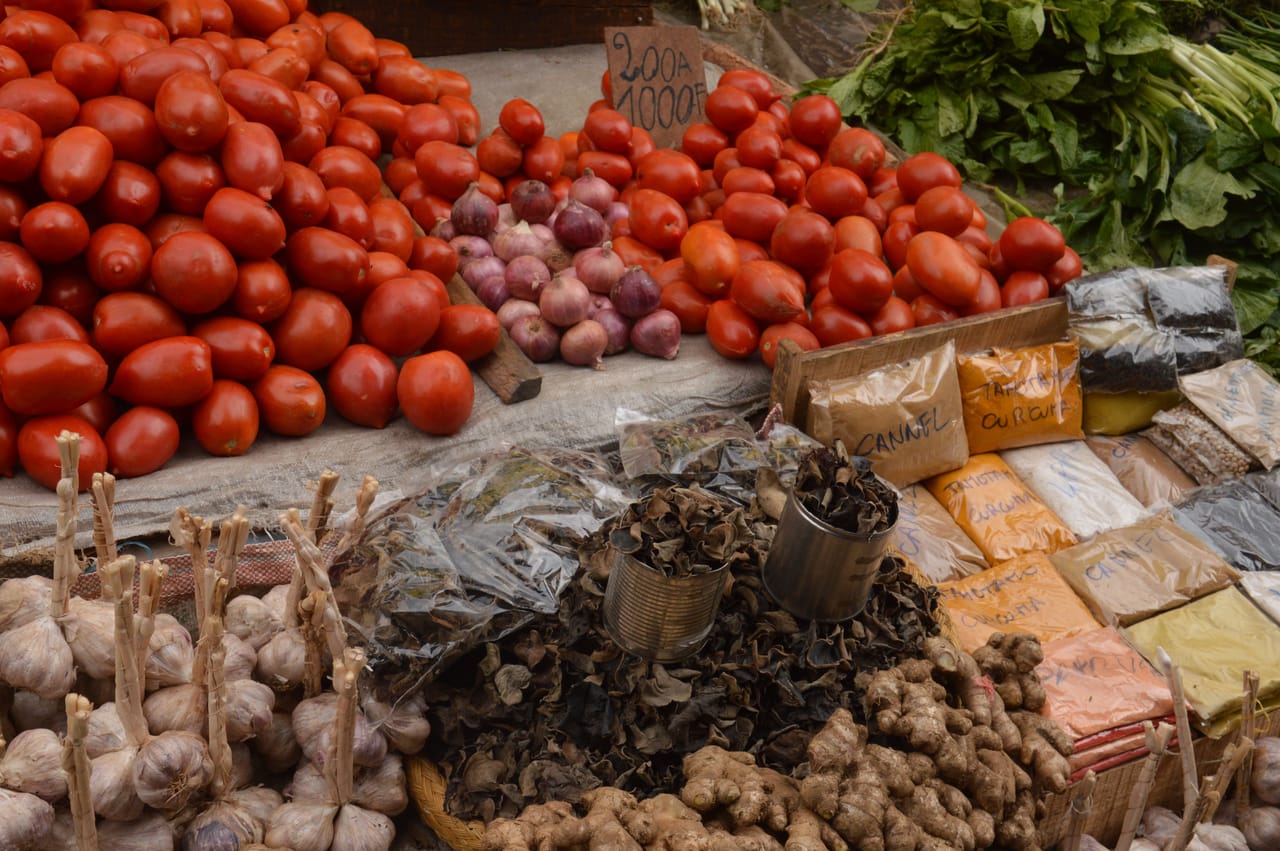
Rote is cheap in the way rural places are cheap. Housing, local food, and labour cost a fraction of what they do in Bali, let alone back home, because there is simply less to spend money on. A long-stay rental, produce from the Ba’a market, a motorbike, and a household helper add up to a monthly figure that shocks people used to European or Australian prices. The catch is that anything imported, specialised, or urgent costs more here than in a big city, because it has to travel.
You can feel the “travel tax” in the smallest numbers. The daily ferry between Kupang and Ba’a takes around two hours and, back in 2023, the fare had risen to 202,000 Indonesian rupiah, up from 80,000 not long before 1. At roughly 16,000 rupiah to the US dollar, that is about 13 dollars for a crossing that once cost around 5. Nothing there is expensive on its own. The point is that every trip off the island for supplies, banking, or a doctor carries a cost in cash, time, and a lost day, and those days accumulate across a year.
I am not going to hand you an invented monthly budget with a false decimal point on it. The realistic month-by-month breakdown of rent, food, utilities, transport, and health cover lives in the detail of the cost of retiring in Indonesia, tied to current figures rather than recycled Bali averages. If you are still comparing destinations, weigh Rote honestly against the best places to retire in Indonesia before you commit to the most remote option on the list.
The paperwork that keeps you legal
Living here long term is a legal question before it is a lifestyle one. A tourist stamp lets you visit. Staying for the 3-to-8-month rhythm many long-stayers want, or settling permanently, requires a proper permit, and the two frameworks are completely separate. Confuse them and you drift from resident to overstayer in the eyes of immigration, which is a costly mistake to unwind from a remote island.
The path, in the order it actually happens, looks like this:
- Confirm which permit matches your age, income, and intent.
- Assemble the supporting documents and sponsorship before you fly.
- Enter on the correct visa, then convert to the stay permit once you arrive.
- Handle renewals and reporting on schedule, every year.
The requirements, income thresholds, and current fees shift often enough that I will not quote a number I cannot stand behind today. The specifics of the Indonesian retirement visa and who qualifies belong in that dedicated breakdown, kept current. If your plan is a life on Rote rather than a paperwork exercise, the lived-in version of retiring in Indonesia puts the permit inside the reality of daily island life, which is where it matters.
One practical note that changes the whole equation: you do not solve the legal side from Rote alone. Kupang, the provincial capital on West Timor, is your administrative base, home to El Tari International Airport and the offices, banks, and services the island lacks 1. Treat retirement on Rote Ndao as a two-node system, the island for living and Kupang for logistics, and the paperwork stops feeling impossible.
Health out here is the part people underestimate
This is the section people skim and later regret skimming. On Rote you have basic local clinics for everyday complaints, a wound, a fever, a course of antibiotics. Anything serious moves up the chain to Kupang, a Wings Air flight of about thirty minutes from Rote’s David Constantijn Saudale Airport to El Tari, assuming the flight is running and you are well enough to board it 1. Think of your health here as a chain, not a building, and inspect every link before you need it.
Start with what is actually on the island. Routine care, pharmacies, and the limits of local clinics are the first thing to map, and the honest picture of healthcare in Indonesia for foreigners on a remote island is where those limits get spelled out. Keep a buffer of your regular prescriptions, because the pharmacy running out is a normal Tuesday, not a rare event.
Then the coverage. Local clinics are cheap to pay out of pocket, but a Kupang hospital stay, or an air transfer to Bali or Singapore, is not. Proper health insurance that covers you in Indonesia, including remote regions and emergency transfer, is the difference between a manageable bill and a financial crisis. Read the fine print on geography and evacuation before you sign.
Which leads to the plan you hope never to use. Serious trauma or a cardiac event on Rote means getting you off the island fast, and medical evacuation from Indonesia has its own costs, providers, and coordination that you arrange in advance, never in the moment. And do not forget the boring routine that ages badly if ignored, so factor in dental care in Indonesia and eye checks, since a cracked molar or a new prescription usually means a planned trip, not a walk to the corner.
Social health belongs in this chain too. Isolation is a genuine risk factor for older adults, and Rote’s quiet can tip from peaceful to lonely if you arrive without a plan to build community. The upside is real: a slower life, warm days, and a church-anchored village rhythm suit healthy ageing, as long as you stay connected and stay mobile.
Your income and your estate from abroad
Two money questions follow you across the border, and both deserve real answers rather than a shrug. First, how you actually receive your pension while living here. Banking on a remote island has its quirks, from transfer fees to the reach of local ATMs, and the mechanics of receiving a pension abroad cover how retirees keep their income flowing without losing a slice to bad exchange and clumsy transfers.
Second, what happens to your assets and your estate once you are resident in Indonesia. Property ownership rules for foreigners, cross-border inheritance, and where your will has legal force are genuinely complicated, and this is not the place for guesses. The specifics of wills, assets and inheritance under Indonesian law matter most for anyone planning to buy or hold property here. Treat both of these as questions for a professional in your home country and in Indonesia, not for a blog, mine included.
Bringing your life with you
The hardest part of the move for many people is not the visa. It is the dog. Moving a pet to Indonesia involves import rules, vaccinations, quarantine considerations, and a genuinely long lead time, and the whole process of bringing pets to Indonesia needs to start months before your flight, not weeks. Get it wrong and you face heartbreak at the border.
Beyond the animals, the practical move is a shipping-and-shedding exercise. Sea freight to eastern Indonesia is slow and everything funnels through Kupang before it reaches Rote, so most long-stayers arrive light and buy or build the rest here. The island itself rewards that lightness. You wake to birdsong from an unusually rich local avifauna, more than three thousand documented wildlife observations around Rote, with honeyeaters and flowerpeckers among the most common visitors to your garden 4. The reef and the old sedimentary bones of the island give you calm water for most of the year 5. For the patient few who stay through the seasons, the slow-surfing payoff eventually arrives on the right swell, though nobody should move here chasing it.
Retiring on Rote is a good life for the right person and a genuinely hard one for the wrong one. If, after all of the above, the flight to Kupang still sounds like an acceptable trade for the mornings you would gain, you are probably the kind of person the island keeps.
Sources
Footnotes
-
Rote Island — dati (Wikidata). wikidata.org ↩
-
The Road to Healthy Ageing: What Has Indonesia Achieved … pmc.ncbi.nlm.nih.gov ↩
-
Geologia dell’area di Rote Island (Macrostrat). macrostrat.org ↩