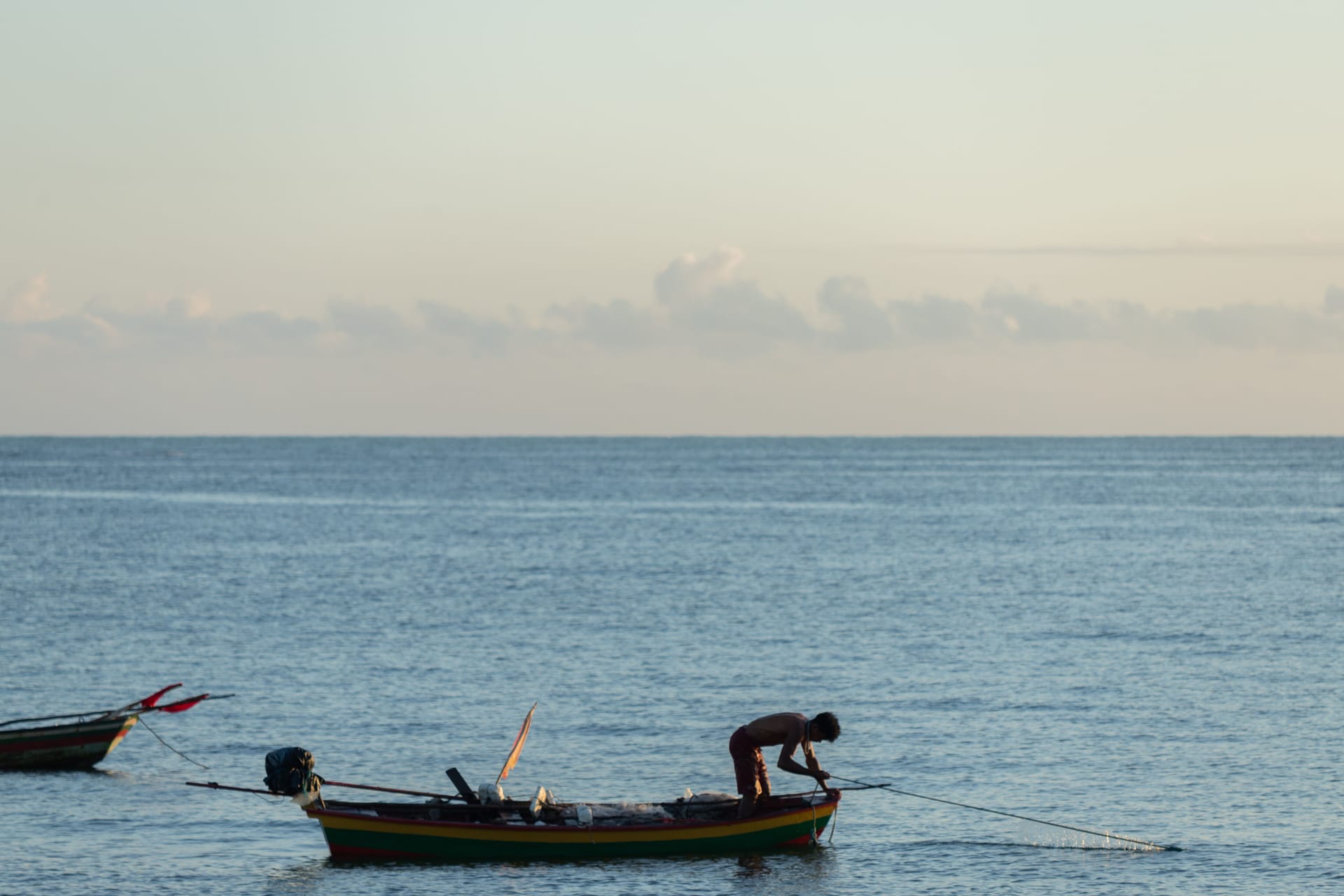
You can run a full remote job from a house on Rote. The people who fail at it are not the ones who lack talent, they are the ones who arrive assuming the island runs like a European suburb with palm trees. Living on Rote island as a remote worker means treating internet, power, and time zones as three systems you actively manage, not utilities you forget about. Get those three right and the place is close to unbeatable for focused work. Get them wrong and you spend your first month firefighting instead of working.
Here is the short, honest answer to the question everyone asks before they book a one-way flight. Yes, you can work remotely from Rote, provided you build in redundancy: satellite internet as your backbone, mobile data as a live backup, and a battery or solar setup so a power cut does not kill your workday. The island supports knowledge work, calls, and async collaboration well. It does not support a rigid nine-to-five that assumes flawless infrastructure at all times.
Is Rote realistic for remote work? The honest verdict
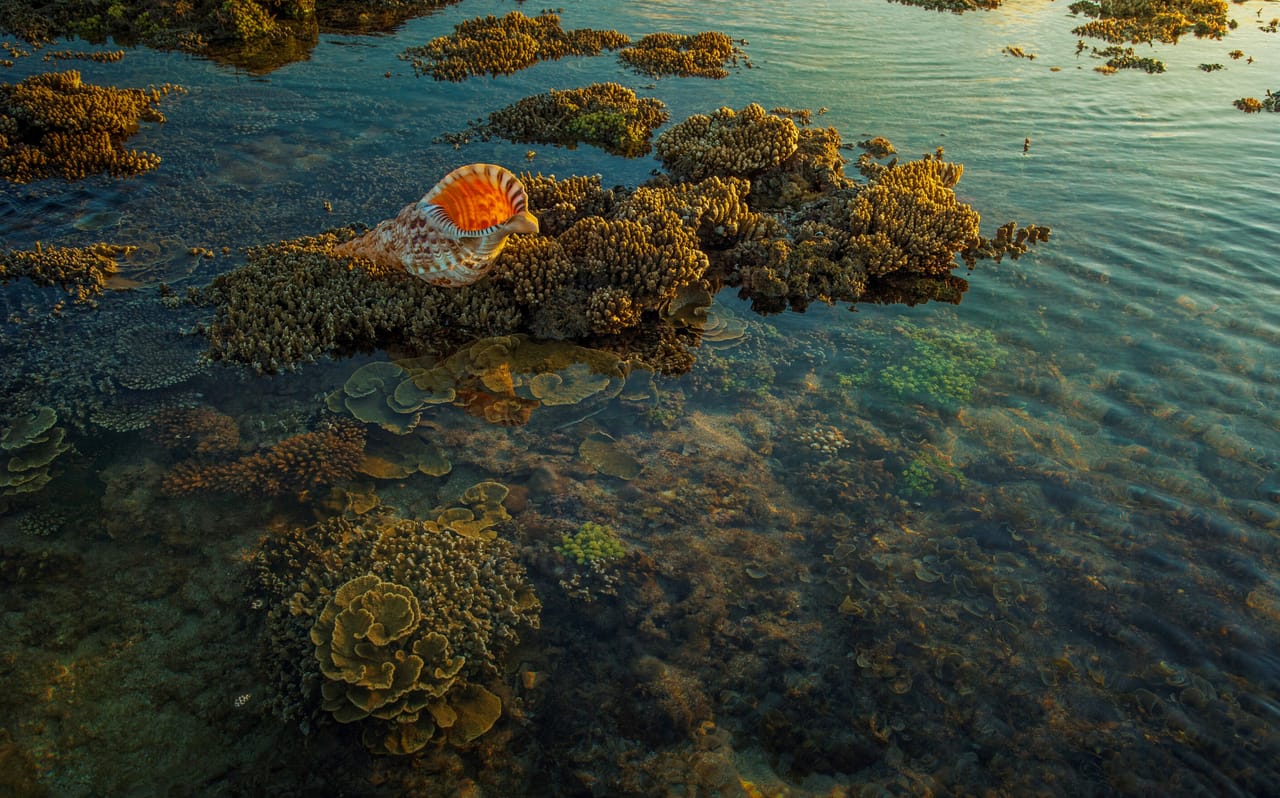
Straight answer: Rote works for remote workers, retirees, and long-stay visitors who plan for redundancy and can absorb the occasional bad connectivity day. It does not work for people who need guaranteed uptime, and it was never built for short-trip surf tourists chasing a quick score.
This is a small, quiet island in eastern Indonesia, roughly 1,227 square kilometres of low, sun-hardened land, topping out around 320 metres above sea level, sitting at the southern edge of the country near Kupang 1. The geology underfoot is young Cenozoic sedimentary rock, so you get flat coastal shelves, coral terraces, and thin soil rather than dramatic mountains 2. What that means in practice is heat, wind, salt air, and a landscape that rewards patience.
It suits three types of people. Remote workers who want cheap rent, deep focus, and ocean fifteen minutes away. Retirees who want a slow, warm base with a real community. And long-stayers spending three to eight months a year who treat Rote as a second home. If your work tolerates the odd dropped hour and you like managing your own systems, this island indonesia setting delivers. If not, stay somewhere with fibre and a backup generator you never think about.
Getting online: connectivity on Rote
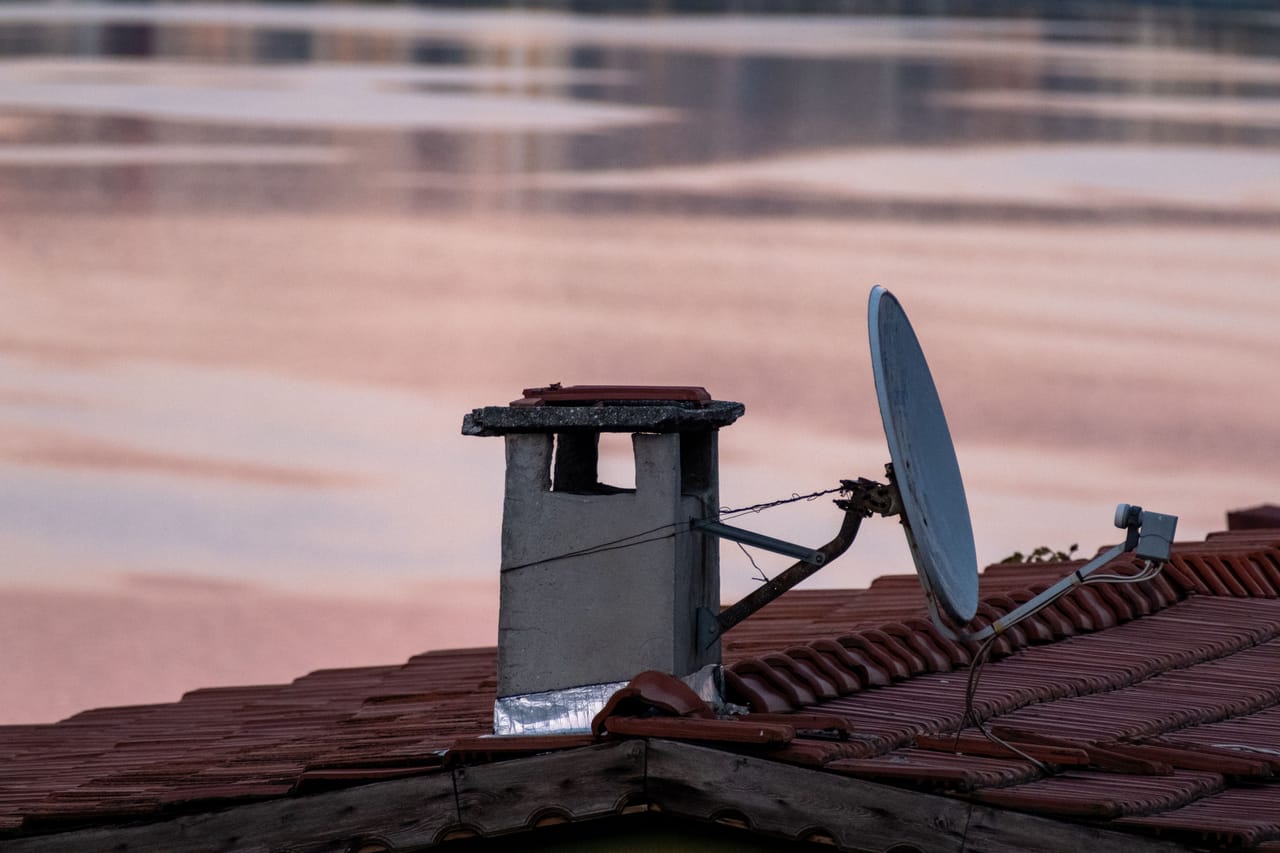
Connectivity is the make-or-break of working remotely from Rote, and it is a stack, not a single line. You layer it so that when one part fails, the next one carries you.
The backbone for most serious remote workers here is satellite. Starlink on Rote changed the calculus completely, turning a place that used to be marginal for video calls into somewhere you can actually hold a client meeting without apologising for the freeze. It is not flawless in heavy tropical downpours, and you plan around that.
Then there is the question of what speed you can realistically build a workday around. The internet speeds you get are enough for calls, large file transfers, and normal collaboration tools, though you learn to schedule your heaviest uploads for the calmer hours rather than fighting the network at peak evening congestion. Knowing your real ceiling, not the advertised one, is half the battle.
Mobile data is the piece people underestimate, and it is your genuine backup rather than an afterthought. Picking the right mobile data backup means knowing which network actually holds a signal in your corner of the island, because coverage varies street by street. A local SIM in a spare phone, ready to hotspot, has saved more deadlines here than any pep talk about resilience.
The pattern across all three is redundancy. Satellite for the daily driver, mobile for the outage, and a habit of never scheduling a career-defining call without a fallback already running. Remote workers who thrive on Rote treat connectivity like a pilot treats fuel, with a reserve they never actually want to touch.
Keeping the power on: electricity, cuts and off-grid
Internet is useless if the socket goes dead, and on Rote the grid has moods. Power is reliable enough most of the time and unreliable exactly when you have not prepared for it.
Outages happen. Sometimes they are a flicker, sometimes they stretch long enough to matter for a workday, and the honest move is to know the local power cuts pattern for your area and build around it rather than hoping it improves. A laptop on a full battery buys you time, a small inverter battery buys you more, and the difference between a minor annoyance and a lost afternoon is entirely how you prepared the night before.
The people who never lose a working hour to the grid are running their own solar and batteries setup, sized to keep a laptop, a router, and a fan alive through the gap. Rote gets a lot of sun, so solar pays back faster here than in cloudier climates, and once you are partly off-grid, a power cut becomes something you notice only when a neighbour mentions it. That independence is worth more than any single piece of gear you will buy for the island.
Where and how to actually work
Rote has no glass tower full of standing desks, and that is fine once you stop looking for one. The workspace question here is really about your own house and your own rhythm.
Most people build a home setup, and the honest reckoning of where to work on Rote starts with your rental. A shaded room, a good chair you probably shipped or hunted down in Kupang, and a corner positioned to catch the breeze beat any fantasy of a slick coworking floor. The coworking scene is thin, so the winning move is making your home the place you actually want to sit for six hours.
The tropics are hard on hardware, and this is not a small footnote. Managing laptop humidity and heat in a house open to salt air is a real maintenance job, because thermal throttling and corrosion are quiet productivity killers. Silica packs, a dehumidifier or good airflow, and never leaving a machine to cook in a sealed room keep your gear alive far longer than the tropics would otherwise allow.
Then comes the clock. Rote runs on WITA, Indonesia Central Time, nine hours ahead of UTC, and running a European or US workday from that offset is a genuine skill. Handling time zones well means turning the gap into an advantage, working your deep hours while your colleagues sleep and reserving a tight overlap window for the calls that need everyone awake. The evidence backs the async instinct: an OECD survey across 25 countries found that managers and workers rated the ideal amount of telework at around two to three days a week, precisely to balance focus against the cost of impaired communication, and living on a nine-hour offset pushes you toward that async discipline whether you planned it or not 3.
None of this is niche. McKinsey put more than 20 percent of the workforce as able to work remotely three to five days a week as effectively as from an office, so the ceiling on who can move here is high 4. The full picture of working remotely from Rote is that the island supports the work, and your setup decides whether it supports it well.
Money and admin: getting paid, banking, tax
This is the part travel blogs skip, because it is boring and it is where people get caught. Moving to Rote island is easy compared with keeping your money flowing cleanly once you are there.
Getting your income into the country without losing a chunk to fees and bad exchange rates is a solved problem, but only if you plan the route. Sorting out getting paid usually means a mix of the right transfer service and the right receiving account, and the difference between a smart route and a lazy one is real money over a year of transfers. Set this up before you move, not after your first invoice lands.
Banking as a foreigner has its own rules, and they shift. What a non-resident can open, what needs a permit, and what a local account unlocks for day-to-day life are questions worth answering early through the current reality of banking as a foreigner, because the answer depends on your visa status and changes with policy. Treat any figure or requirement you read as something to confirm against official sources for the month you actually arrive.
Then there is the question people ask far too late. Once your stay stretches past a certain length, tax residency stops being hypothetical, and where you owe tax depends on days present, visa type, and treaties between your home country and Indonesia. This is genuinely the kind of thing to run past a professional rather than a forum thread, because the rules are specific and the penalties for guessing wrong are not small. Get advice, keep records, and do not let a long stay drift into a tax problem you never saw coming.
Long stays, slow surfing, and who Rote is really for
Rote rewards time. A long stay of three to eight months a year is where the island stops being a destination and starts being a life, and that longer horizon changes everything about how the place treats you. The community opens up, the logistics smooth out, and the daily rhythm of markets, wind, and warm evenings becomes the point rather than the backdrop.
That patience is exactly why the honest surf angle here is slow surfing. Rote is a poor choice for a short surf trip, because the good days are few, inconsistent, and crowd up fast. The people who score genuinely world-class waves are the long-stayers who were already here, working, when the swell finally lined up. If you are booking a two-week wave-chasing holiday, this island will disappoint you. If you are living here anyway and treat perfect surf as an occasional gift for staying put, it delivers what nowhere on a short timeline can.
The quieter reward is the place itself. The waters and scrub around Rote hold a documented richness that you feel long before you can name it, with the GBIF biodiversity record for the area logging 3,332 observations and a birdlife that fills the mornings, from honeyeaters to the small flowerpeckers and white-eyes that work the coastal trees 5. Digital nomadism, researchers note, tends to be a temporary life phase that fits how modern lives have de-standardised, and Rote suits that phase unusually well for people who want depth over churn 6.
Who should come. Remote workers who want cheap rent and deep focus, retirees who want a warm, real community, and long-stayers building a second home. Who should not. Anyone needing guaranteed uptime, and anyone treating a quiet Indonesian island as a quick surf stop. Bring redundancy, bring patience, and Rote will hold up its end.
Sources
Footnotes
-
Rote Island — data (Wikidata). wikidata.org ↩
-
Rote Island geology (Macrostrat). macrostrat.org ↩
-
The role of telework for productivity during and post-COVID-19. oecd.org ↩
-
The future of remote work: An analysis of 2000 tasks, 800 jobs and nine countries. mckinsey.com ↩
-
Digital nomadism from a life course perspective. sciencedirect.com ↩